
Best Way to Move a Treadmill: DIY and Professional Options
The best way to move a treadmill depends on its model, weight, and the route through your home. Before moving it, check the manufacturer's instructions and plan how you will protect the frame, console, and surrounding floors. This guide walks you through preparation, transport, and reassembly, with advice on when to call professional treadmill movers.
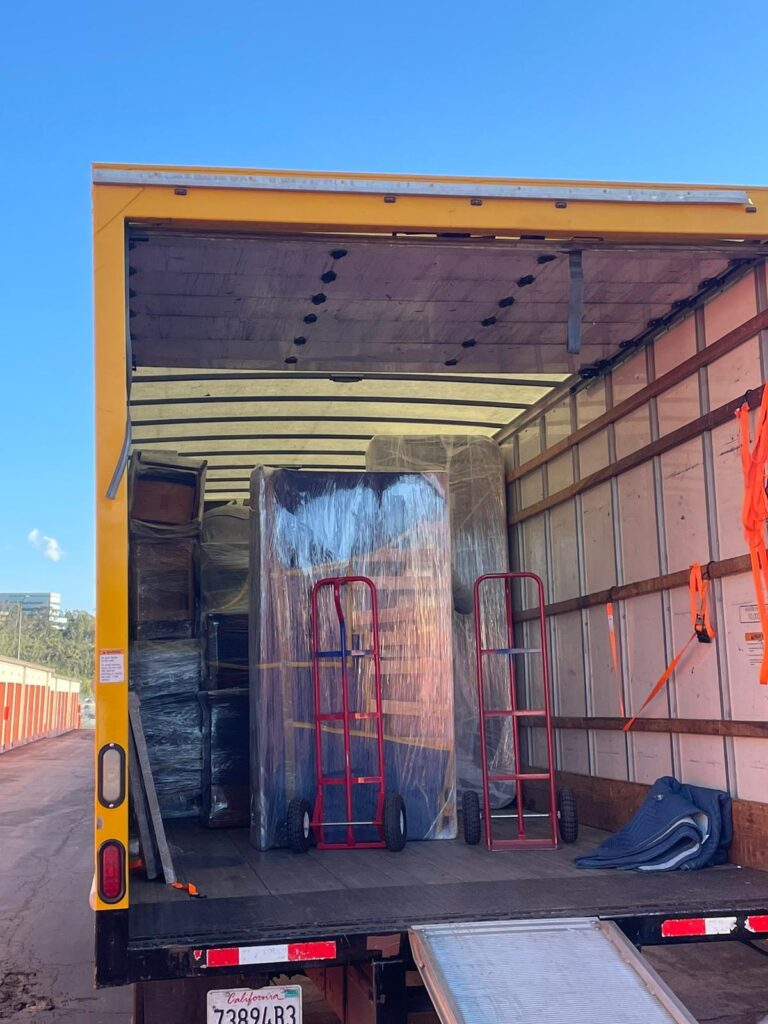
Preparation Before Moving
Start with the owner's manual. Find the equipment's weight, approved lifting points, folding procedure, and any restrictions on transport. A folding treadmill may still be too wide for a doorway, so measure the machine in its transport configuration as well as every narrow point along the route.
Gather moving blankets, suitable straps, protective floor coverings, and a dolly rated for the load. Confirm the moving vehicle and loading equipment can accommodate the treadmill. Arrange enough capable help for the particular machine and route; stairs require a separate handling plan.
Power Down and Secure Equipment
Switch off the treadmill, remove its safety key, and unplug it. Let it cool if it has recently been used. Remove accessories and secure the cord so it cannot catch under the frame or become a tripping hazard.
If the manual allows you to remove the console or uprights, photograph the connections before disconnecting them. Label hardware and keep it in a sealed bag. Do not pull on wiring or attempt disassembly that the manufacturer reserves for a technician.
Protect and Prepare the Treadmill
Pad exposed edges, handles, and the console. Keep tape off screens and finished surfaces. Secure protective blankets without placing pressure on fragile controls or wiring.
For a folding model, engage the manufacturer's transport lock and verify that it holds. Additional straps should support the approved transport setup, rather than replace a missing or faulty locking mechanism. Keep hands clear of hinges and pinch points.
Map Out and Clear the Moving Path
Remove loose rugs, clutter, and other obstacles before starting. Check turns, door thresholds, elevator dimensions, and the space needed to position the treadmill at the destination. Protect floors with coverings that will not slide under the load.
If stairs, steep slopes, or tight landings are involved, discuss the route with movers beforehand. A makeshift ramp or an extra helper does not resolve every access problem.
Lifting, Rolling, and Moving Techniques
Use only the lifting points identified for your model. Never lift by the console, cables, or unsupported folding components. Agree on commands with everyone helping and move in short, controlled stages.
Built-in transport wheels may be suitable for a short move across a level surface if the manual permits it. For longer distances, a properly rated dolly may be needed. Avoid tilting the treadmill beyond the manufacturer's guidance, and stop if the load becomes unstable.
Loading and Transporting
Use a loading method appropriate to the combined weight of the treadmill and handling equipment. Check ramp or lift capacity and secure the loading setup before moving the machine onto it.
Transport the treadmill in the orientation specified by its manufacturer. Protect it from other cargo and secure the frame to suitable vehicle anchor points. Do not run restraints over a screen or use delicate components as anchor points.
Unloading and Reassembly
Clear the unloading route before releasing the restraints. Position the treadmill on a stable, level surface, then reassemble it according to the manual using your labeled hardware and connection photos.
Inspect the frame, cord, and connections before reconnecting power. Follow the manufacturer's startup checks and keep people clear of the belt. If anything appears damaged or the treadmill behaves unexpectedly, stop using it and arrange an inspection.
Professional Movers vs. DIY: Which Is Best?
- Cost: Compare the complete DIY budget—including a vehicle, handling equipment, and packing supplies—with a quote that reflects the treadmill model, access, distance, and assembly needs.
- Access: Stairs, narrow corners, and heavy commercial models can make professional handling the more practical choice.
- Time: A DIY move requires preparation, transport, and reassembly. Ask movers which of these tasks are included in their service.
- Equipment: Do not proceed unless the handling equipment and everyone assisting are suitable for the load.
For help relocating a treadmill in Los Angeles, explore AFFMOV's treadmill moving services or gym equipment moving services. Share the make and model, pickup and delivery details, and photos of any difficult access points when you request an estimate.
